Sewer Line Warning Signs Every Homeowner Should Know
Is your home trying to tell you something? Sewer line problems rarely appear out of nowhere—they whisper first, then shout if ignored. At Mint Plumbing Co, we’ve seen it all, from stinky sinks to backyard swamps. The truth is, catching sewer line issues early can mean the difference between a quick pipe fix and a full-blown plumbing disaster.
This guide will help you recognize those first warning signs, understand what’s causing them, and know exactly when to call in the pros. Because in plumbing, a little knowledge goes a long way.
Early Warning Signs to Watch For 🚨
Sewer line issues don’t always look dramatic. Sometimes, they’re more like a squeaky floorboard—easy to ignore, but a sign that something’s off beneath the surface.
1. Slow Drains
If your shower or sink drains slower than usual, don’t just blame hair or soap. When every drain in the house starts to get sluggish, it’s often a red flag that the main sewer line is clogging up. Unlike a single blocked sink, this is a house-wide issue.
2. Gurgling Sounds
Ever hear odd gurgling from your toilet after you flush? Or bubbling from the bathroom sink? That’s air trapped in the pipes, often caused by a clog or blockage down the line. Think of it as your plumbing's way of groaning in protest.
3. Sewage Odors Indoors
If your home smells like rotten eggs or musty drains, it’s not just unpleasant—it’s a warning. Sewage odors coming from drains or even your yard often mean a crack or leak in the line. According to the International Association of Certified Home Inspectors (InterNACHI), sewer gas not only stinks, but also poses health risks.
4. Unusual Lawn Patches
Is one spot in your yard greener or wetter than the rest? Sometimes a sewer line leak will “water” just one area, creating a mini-swamp or an overgrown patch. That’s your landscape telling you the pipes below need help.
5. Frequent Toilet Backups
One-off clogs happen. But if your toilets back up repeatedly even after plunging, it’s time to look deeper. Persistent backups are a classic sign of a main line issue.
Causes of Sewer Line Damage
Plumbing isn’t just pipes and water—it’s years of wear, underground shifts, and sometimes, plant life gone rogue. Here’s what commonly causes sewer line trouble:
Tree Roots: The Underground Invaders 🌳
Roots are relentless. They seek out moisture, and sewer lines are a perfect target. Over time, they can break through even the toughest pipes, leading to leaks, clogs, and blockages.
Old or Deteriorating Pipes
Many homes—especially those built before the 1980s—still have clay, cast iron, or Orangeburg pipes. These materials break down over time, crack, or even collapse. Modern codes favor PVC or HDPE for durability, but old lines remain widespread in older neighborhoods.
Ground Shifts and Settling
Soil moves. Heavy rain, droughts, or construction nearby can cause the earth to settle or shift. This movement can bend, crack, or separate sewer pipes. It’s subtle, but the damage builds up.
Grease, Debris, and Foreign Objects
Pouring grease down the drain, flushing wipes, or sending non-flushable items through the pipes is a recipe for trouble. Over months or years, this gunk collects and eventually blocks the line.
Corrosion and Mineral Buildup
Water chemistry can eat away at pipes, especially metal ones. Hard water leaves behind mineral deposits, slowly narrowing the passageway until only a trickle gets through.
DIY Checks vs. Professional Inspection
It’s tempting to roll up your sleeves and tackle plumbing problems solo. Some checks are safe for homeowners, but others demand professional skill—and equipment.
What Homeowners Can Safely Check
- Visual Inspection: Look for pooling water in the yard or around cleanouts.
- Smell Test: Notice persistent drain odors inside? That’s a clue.
- Monitor Drain Performance: Pay attention to slow draining, gurgling, or recurring backups.
What to Avoid
- Chemical Drain Cleaners: These can damage pipes and are dangerous to handle.
- Digging or Snaking Main Lines: Without training, you can do more harm than good.
- Ignoring the Problem: Hoping it’ll “just go away” almost always leads to bigger repairs.
When to Call a Professional
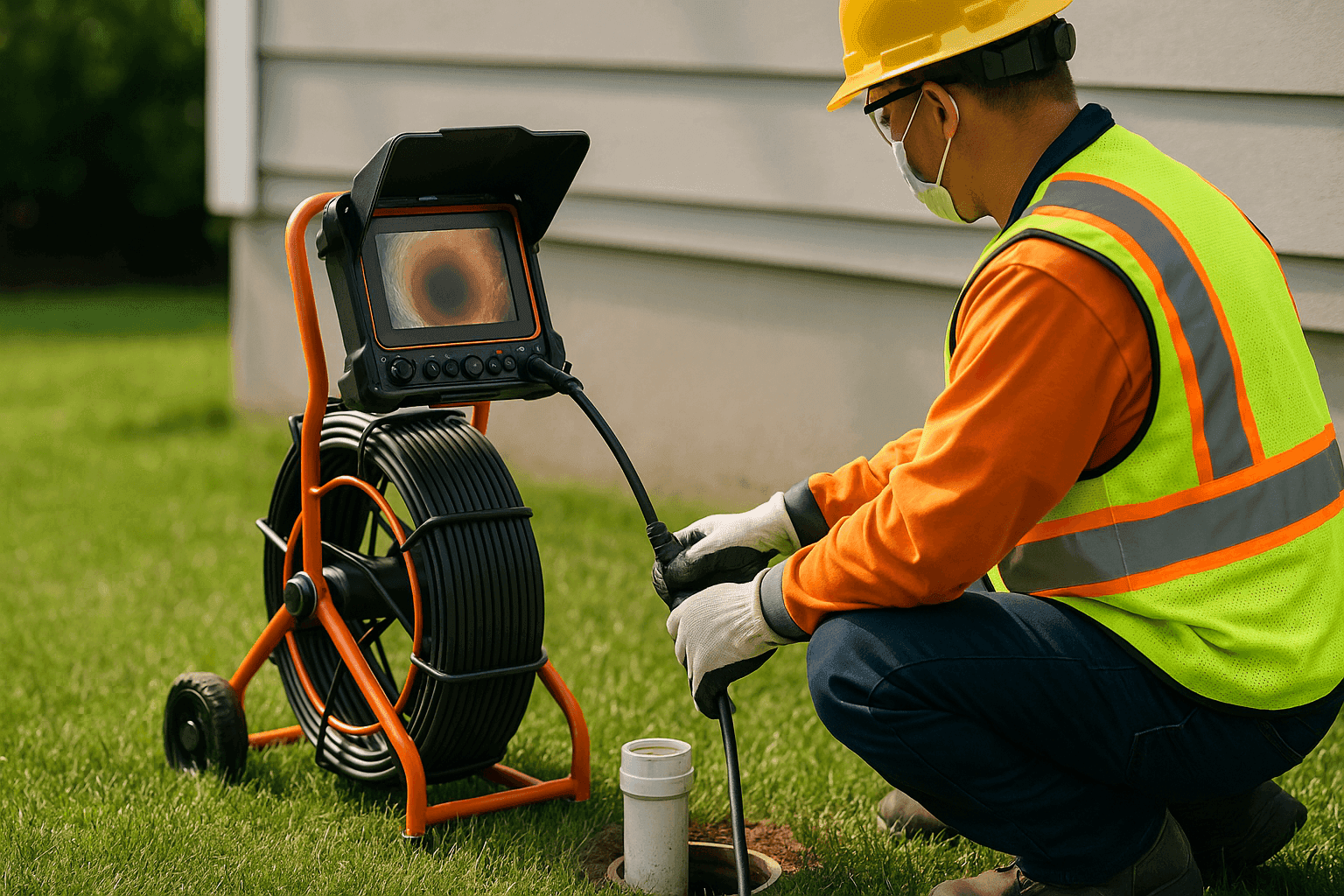
If you notice more than one early warning sign—or if you simply aren’t sure—bring in a licensed plumber. Today’s pros use specialized camera systems to inspect pipes from the inside, revealing cracks, root invasions, and blockages without any guesswork.
The Role of Modern Inspection Technology 📷
Gone are the days of digging up the yard on a hunch. Plumbers now use waterproof cameras, threading them into sewer lines to get a real-time look at what’s going on. These video inspections:
- Pinpoint the exact location of blockages or damage
- Eliminate unnecessary digging
- Provide footage you can review for peace of mind
According to the Uniform Plumbing Code, licensed professionals should handle any main line repairs or replacements. Camera inspections are a key part of staying compliant and safe.
Preventing Sewer Emergencies
No one wants to wake up to a flooded basement or a yard full of sewage. The best way to avoid a surprise? Stay ahead of problems with routine checks and smart habits.
Routine Inspections
Schedule a professional sewer line inspection every 2–3 years, especially if your home is older or surrounded by mature trees. This is a small investment that pays off by catching minor issues before they escalate.
Watch for These Warning Signs
- Multiple slow drains
- Gurgling noises from pipes
- Frequent backups, especially after rain
- Lush, soggy patches in the yard
Homeowner Tips for Sewer Health
- Don’t flush wipes, hygiene products, or paper towels—even if labeled “flushable”
- Avoid pouring grease or food scraps down kitchen drains
- Plant trees away from sewer lines, or choose slow-growing varieties
- Install drain screens to catch hair and debris in bathrooms
Costs & Time Factors
Sewer line repairs aren’t one-size-fits-all. Costs and timelines depend on the location, extent of damage, and accessibility.
What to Expect
- Inspections: Professional camera inspections are quick—usually under an hour.
- Minor Repairs: Fixing small leaks or blockages may take a few hours.
- Major Repairs or Replacement: Replacing a section of pipe or the whole line can take a day or more, depending on the situation.
Remember, catching a problem early almost always means a smaller, less expensive fix. Waiting can turn a small repair into a major project.
When It’s an Emergency
Some situations can’t wait for a convenient appointment. If you notice any of the following, it’s time to act fast:
- Sewage backing up into tubs, sinks, or toilets
- Strong sewer odors throughout your home
- Water pooling in the yard with a foul smell
- Sudden, total loss of drainage
In these cases, turn off water to the affected area if possible and call for emergency plumbing help right away.
FAQ
How often should I have my sewer line inspected?
For most homes, every 2–3 years is a good rule of thumb—more often if you have older pipes or big trees nearby.
Can I use chemical drain cleaners to fix slow drains?
It’s best to avoid them. They can harm your pipes and don’t address deeper blockages.
What’s the risk if I ignore sewer line warning signs?
Minor issues can quickly become major—think burst pipes, water damage, mold, and costly repairs.
Will my homeowner’s insurance cover sewer line repairs?
Policies vary. Many exclude damage from normal wear or tree roots, but may cover sudden accidental breaks. Check with your insurer.
Local and Seasonal Considerations 🌧️
Seasonal changes matter. Heavy rain can overwhelm old or compromised lines, leading to backups. In colder months, frozen ground can put extra pressure on pipes—especially older ones.
If you live in an area with lots of mature trees or shifting soils, be extra vigilant. Schedule inspections in spring or fall, and keep an eye on your landscaping for signs of leaks.
Spotting sewer line trouble early can save you time, money, and a world of hassle. If you’ve noticed slow drains, odd smells, or anything out of the ordinary, don’t wait for a plumbing emergency.
Call Mint Plumbing Co now — or reach us anytime at 888-827-0920 .