Essential Guide to Preventing Plumbing Leaks Year-Round
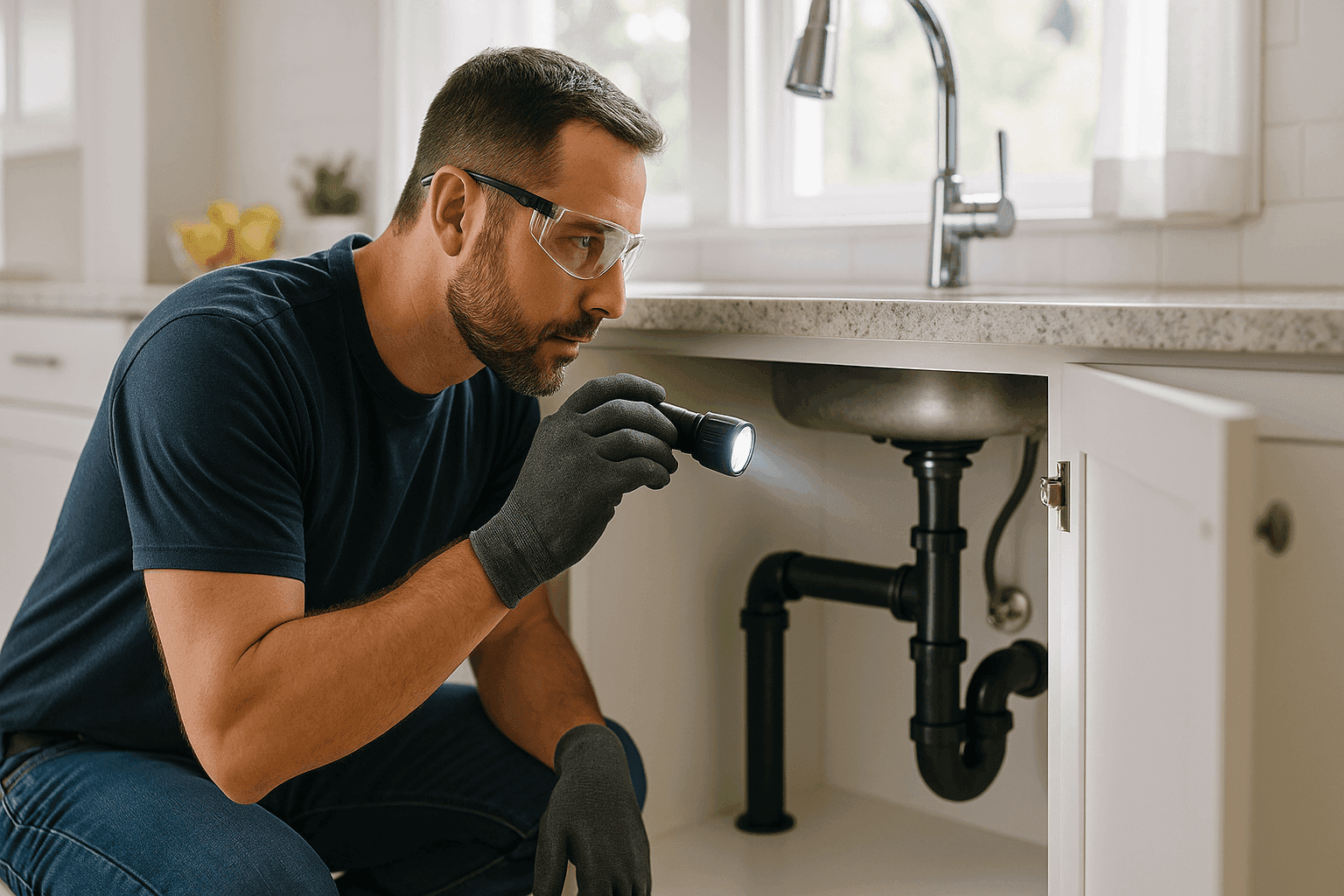
Plumbing leaks don’t wait for a convenient moment. One minute, your home is running smoothly. The next, there’s water pooling under the sink and a creeping sense of panic. At Mint Plumbing Co, we know that most leaks aren’t just about a burst pipe—they’re about protecting your home and wallet.
Leaks can happen to anyone. But with the right knowledge, you can dramatically lower your risk. Let’s break down why leaks start, where to watch, and what you can do—season after season—to keep your plumbing tight and dry.
Why Plumbing Leaks Happen 💧
Think of your plumbing as the veins of your house. Over time, even the strongest pipes can get tired. Here’s why leaks creep up:
- Aging or Corroded Pipes: Just like a garden hose left out in the sun, old pipes get brittle and weak. Metal pipes can rust, while plastic can crack.
- Water Pressure Problems: Too much pressure is like overfilling a balloon. Eventually, something gives.
- Extreme Weather Changes: When temperatures drop or storms hit, pipes expand and contract, sometimes splitting apart.
- Loose Fittings & Joints: The connections behind your walls and under sinks are the most likely to wiggle loose over time.
- Clogs & Blockages: Grease, hair, and debris force water back up, looking for the weakest spot to escape.
The U.S. Environmental Protection Agency (EPA) estimates that household leaks waste nearly 10,000 gallons of water per year. Most of these are preventable with a little vigilance and care.
High-Risk Areas for Leaks
Leaks love to hide in dark, tucked-away places—places you might not check often. Pay close attention to:
- Under Sinks: Bathroom and kitchen plumbing are prime spots for slow drips.
- Behind Toilets: Even a tiny leak here can cause big water bills and floor damage.
- Basements & Crawl Spaces: Out of sight doesn’t mean out of danger. Look for damp spots or musty smells.
- Behind Walls: Listen for the faint hiss of water or watch for peeling paint and unexplained stains.
- Attics: If you have water pipes running overhead, one small problem can drip down through ceilings.
- Appliance Connections: Washing machines, dishwashers, and water heaters can leak at the hose or valve.
A good rule: If you rarely look there, check it twice as often.
Seasonal Leak Prevention Tips (Winterizing, Storm Prep) ❄️
Each season brings its own plumbing challenges. Timely action now can save a headache later.
Winter: Freeze-Proof Your Plumbing
- Insulate Exposed Pipes: Use foam sleeves on pipes in garages, basements, or crawl spaces.
- Drip Faucets in Extreme Cold: A slow drip can relieve pressure and prevent freezing.
- Disconnect Outdoor Hoses: Water left in hoses can freeze and back up into your pipes.
- Seal Cracks: Cold air sneaks in through gaps in walls or around pipes. Caulk or foam them shut.
Spring: Check for Winter Damage
- Inspect for Cracks or Leaks: Pay close attention to pipes in cold areas.
- Test Sump Pumps: Make sure your sump pump runs smoothly before spring rains arrive.
- Clear Gutters & Downspouts: Keep water flowing away from your foundation.
Summer: Monitor Water Usage
- Watch for Spikes in the Water Bill: Could point to a hidden leak.
- Check Outdoor Plumbing: Look for drips at spigots and irrigation systems.
- Maintain Appliances: Flush water heaters and check washing machine hoses.
Fall: Prep for Colder Weather
- Shut Off & Drain Outdoor Faucets: Prevents freezing as temperatures drop.
- Inspect Heating Systems: Boilers and water heaters work harder—look for leaks or corrosion.
- Clean Drains: Remove debris from kitchen and bathroom drains before holiday cooking.
Routine Maintenance Checklist 🛠️
Small steps today can prevent big problems tomorrow. Our team at Mint Plumbing Co recommends this simple homeowner checklist:
- Monthly
- Peek under every sink for signs of water or mold.
- Test toilet flushes and listen for running water.
- Check water heater for puddles or rust stains.
- Seasonally
- Walk through basements, attics, and crawl spaces.
- Inspect appliance connections and hoses.
- Flush drains with hot water (never harsh chemicals).
- Annually
- Have a professional sewer line inspection.
- Schedule backflow testing and water pressure checks.
- Consider preventative maintenance on sump pumps and water heaters.
Warning Signs Not to Ignore:
- Unexplained increase in your water bill
- Musty or moldy smells
- Stains or bubbling paint on walls or ceiling
- Persistent low water pressure
- Sounds of running water when everything’s off
Preventative maintenance is always less expensive than emergency repairs. The Plumbing-Heating-Cooling Contractors Association (PHCC) recommends annual inspections for older homes or if you’ve had leaks before.
DIY vs. Call a Pro
Some leaks are easy to spot and fix—a loose faucet, a worn washer. Others hide deep in the walls or under your home’s foundation. Here’s how to decide:
Fix It Yourself
- Tightening loose connections under the sink
- Replacing a worn washer or toilet flapper
- Applying pipe tape to minor leaks
Call Mint Plumbing Co When
- Water is pooling and you can’t find the source
- Pipes are frozen or burst
- There’s mold or mildew growing
- You smell gas (always evacuate and call emergency services first)
- The main water shutoff doesn’t stop the leak
Remember, quick fixes can lead to bigger problems if you’re not sure what you’re doing. Trust your instincts—your home’s plumbing is too important.
What Pros Do On Arrival
When you call Mint Plumbing Co for leak repair or inspection, here’s what you can expect:
- Thorough Inspection: We pinpoint the source using moisture meters, listening devices, or visual checks.
- Leak Detection Tools: For hidden leaks, we use specialized equipment to avoid unnecessary damage to your walls or floors.
- Immediate Containment: We’ll shut off water as needed and prevent further damage.
- Quality Repairs: Whether it’s pipe repair, repiping, or fixture replacement, we use code-compliant materials and proven techniques.
- Prevention Advice: Our team always shares maintenance tips to keep leaks from returning.
We follow local and national plumbing codes, including guidance from the International Plumbing Code (IPC) and Uniform Plumbing Code (UPC).
Prevention & Maintenance
The best way to fight plumbing leaks? Stay ahead of them. Here’s how:
- Install Water Filtration Systems: Reduces mineral buildup that can damage pipes.
- Upgrade Old Pipes: If your home is older than 30 years, consider repiping with modern materials.
- Monitor Water Pressure: Too high? Install a pressure regulator.
- Backflow Prevention Devices: Required in many areas; keeps contaminated water out of your home supply.
- Routine Leak Detection: Schedule professional leak detection, especially before selling or remodeling your home.
Costs & Time Factors
Plumbing repairs aren’t just about money—they’re about time, too. Here’s what to expect:
- Simple Fixes: Tightening connections or replacing small parts may take under an hour.
- Hidden Leaks: Locating and repairing leaks behind walls or under slabs can take a day or more, depending on complexity.
- Major Repairs (Repiping, Sewer Line): These jobs can stretch over several days.
Costs vary based on the type of repair, the material required, and the urgency. Emergency calls, after-hours work, or extensive damage will naturally add to your total. But catching problems early almost always costs less.
When It’s an Emergency 🚨
If you notice:
- A sudden gush of water
- Water stains spreading rapidly
- Sewage smells or visible backup
- Any sign of gas
Shut off your main water valve immediately. Then, call Mint Plumbing Co. Fast action can save thousands in repairs and protect your home from permanent damage.
FAQ: Plumbing Leaks
Q: How can I tell if I have a hidden leak?
A: Watch your water meter. If it moves when no water is being used, there’s likely a leak. You might also notice musty smells or unexplained stains.
Q: Are all pipe materials equally prone to leaks?
A: No. Galvanized steel and older copper pipes are more likely to corrode over time. Modern PEX and CPVC pipes are more resistant but not invincible.
Q: Can high water pressure really cause leaks?
A: Yes. Consistently high water pressure strains joints and pipes, making them more likely to burst or crack.
Q: What’s the best way to prevent leaks long term?
A: Regular inspections, updating old plumbing, and maintaining reasonable water pressure are your best defenses.
Local/Seasonal Considerations
Weather and climate can play a huge role in leak risks. In regions with cold winters, frozen pipes are a top culprit. In rainy areas, sump pumps and basement waterproofing are crucial. Regardless of location, regular checks and seasonal prep make a big difference.
Refer to recommendations from the American Water Works Association (AWWA) and your local building department for area-specific advice.
Water is life—but only where you want it. With a few routine checks and a little planning, you can keep leaks at bay and enjoy peace of mind all year. Don’t wait for a drip to become a flood.
Call Mint Plumbing Co now — or reach us anytime at 888-827-0920 .