How to Unclog Any Drain: Safe and Effective DIY Solutions
Is there anything more annoying than a slow-draining sink on a busy morning? Or that sudden, sinking feeling when the toilet water starts creeping up instead of down? If you’re facing a stubborn clog, you’re not alone. Every home faces a clogged drain sooner or later.
At Mint Plumbing Co, we know that a clogged drain can throw your whole day off. But before panic sets in—or harsh chemicals go down the pipes—let’s talk about safe, proven ways you can tackle the problem yourself.
Signs of a Clogged Drain 🚿
Clogs rarely happen out of nowhere. Like warning lights on your dashboard, your plumbing gives you clues. Here’s what to watch for:
- Gurgling Sounds: Water that bubbles or gurgles as it drains is a classic early sign.
- Slow Drainage: If water pools in your sink, tub, or shower and takes ages to disappear, something’s lurking below.
- Foul Odors: Smells like rotten eggs or musty air drifting from your drain? Organic material may be stuck and decaying inside.
- Water Backups: Water backing up into the sink or tub when you flush or run another fixture signals a deeper issue.
- Standing Water: Pools that just won’t budge are a sure sign of a total blockage.
Pay attention to these symptoms. Early action can prevent a minor annoyance from becoming a full-blown plumbing emergency.
What Not to Do: Avoiding Common Mistakes
When a drain clogs, it’s tempting to rush for whatever seems fast. But some “solutions” cause more harm than good.
- Don’t Use Harsh Chemical Cleaners: Products promising to “eat through anything” can damage pipes, especially in older homes, and harm the environment. The Environmental Protection Agency (EPA) recommends safer alternatives when possible.
- Don’t Force It: Shoving random objects or coat hangers down the drain risks puncturing pipes or compacting the clog.
- Don’t Ignore Recurring Clogs: If you keep unclogging the same drain, the problem could be deeper in the system—sometimes in the main line.
- Don’t Mix Chemicals: Combining cleaners (like bleach and ammonia) can create toxic fumes.
- Don’t Remove Traps Without a Plan: Taking apart pipework under the sink can quickly lead to leaks or water damage if you’re not careful.
Think of your home’s plumbing like arteries in your body: treat them with care, and they’ll keep things flowing smoothly.
Step-by-Step DIY Methods
Before you call in the cavalry, try these safe, effective home remedies:
1. The Trusty Plunger
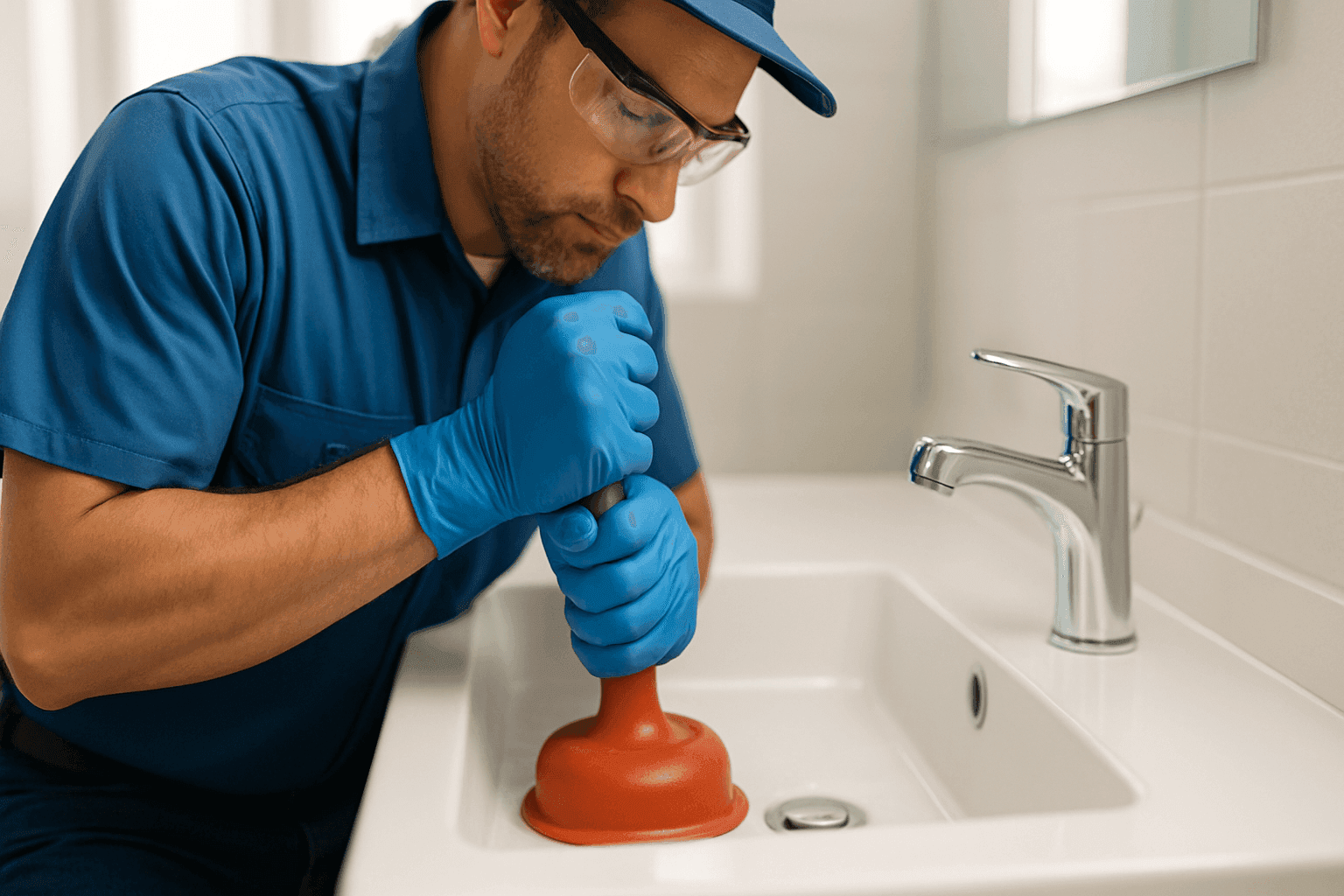
A plunger isn’t just for toilets. It works wonders on sinks, tubs, and showers too.
- Step 1: Remove any standing water above the drain if you can.
- Step 2: Place the plunger over the drain and ensure a solid seal.
- Step 3: Push down and pull up sharply, repeating about 10-15 times.
- Step 4: Test the drain. If water rushes away, you’re all set.
Tip: For double sinks, block the other drain to create pressure.
2. Baking Soda & Vinegar: The Fizz Fix
This classic combo is gentle on pipes and tough on grime.
- Step 1: Pour about 1/2 cup baking soda directly into the drain.
- Step 2: Follow with a cup of white vinegar.
- Step 3: Cover the drain (a plug or rag works) to keep the reaction below surface.
- Step 4: Wait 10–15 minutes, then flush with hot (not boiling) water.
This works best for grease, soap scum, or minor organic build-up—not for solid obstructions.
3. Manual Removal
Sometimes the clog is close enough to reach.
- Step 1: Unscrew the drain cover or stopper.
- Step 2: Use a bent wire or a plastic drain cleaning tool (often called a “zip-it”) to hook hair or debris.
- Step 3: Pull out what you can, then run hot water to clear loose residue.
Wear gloves. This can get messy, but it’s often the most effective for bathroom sinks and showers.
4. Drain Snake (Hand Auger)
For stubborn clogs, a manual drain snake can reach deeper.
- Step 1: Feed the snake into the drain until you feel resistance.
- Step 2: Rotate the handle to break up or grab the clog.
- Step 3: Pull out the debris and run water to check for flow.
Go slow. Forcing the snake can damage pipes or push the clog deeper.
When to Seek Professional Help 🛠️
DIY fixes are great—until they’re not. Some situations call for a licensed plumber right away:
- Repeated Clogs: If the same drain clogs again and again, the problem could be in the main sewer line or further down.
- Sewage Smells: Strong, persistent odors may signal a broken vent pipe or sewer back-up.
- Multiple Fixtures Backing Up: If toilets, tubs, and sinks all clog at once, it’s likely a main line issue.
- Flooding: Water pooling on the floor or coming up from drains can quickly cause property damage and health hazards.
- Gurgling Toilets: When flushing one fixture makes another bubble or back up, it’s time for a pro.
Remember, plumbing codes (like the Uniform Plumbing Code used in many states) recommend professional help for main line blockages, gas line issues, or anything involving sewage.
Building Trust: Safe, Environmental, and Professional Plumbing
At Mint Plumbing Co, safety and the environment matter. We avoid chemical drain cleaners because they can corrode pipes, harm wildlife, and put your family at risk. Instead, we use proven mechanical methods and the latest technology—from professional-grade augers to sewer line cameras—to solve problems at the source.
Our team follows all local and national safety codes, and we take care to protect your home from accidental spills or damage. We want you to feel confident, informed, and safe every step of the way.
Practical Tips to Prevent Future Clogs
An ounce of prevention is worth a pound of cure—especially when it comes to plumbing. Here’s how to keep things flowing:
- Use Drain Screens: Catch hair, food, and debris before they reach your pipes.
- Avoid Pouring Grease Down the Drain: Grease hardens as it cools, sticking to pipe walls and trapping other debris.
- Flush Only Toilet Paper: “Flushable” wipes, feminine products, and paper towels can cause blockages.
- Run Hot Water After Use: Especially in kitchen sinks, a quick hot water rinse helps move along soap and grease.
- Schedule Preventative Maintenance: Annual inspections (like those offered by Mint Plumbing Co) catch small issues before they grow.
For more on safe plumbing practices, see resources from the Plumbing-Heating-Cooling Contractors Association (PHCC) and EPA guidelines on household waste disposal.
Frequently Asked Questions
How do I know if my clog is in the main sewer line?
If more than one fixture (like your toilet and tub) backs up at the same time, or you notice water in unexpected places (like the shower when you flush), the blockage is probably in the main line.
Are chemical drain cleaners ever safe to use?
Generally, no. Most chemical cleaners are harsh and can eat through older pipes. They’re also hazardous if you have a septic system. Mechanical methods (like plungers and snakes) are safer and more effective.
What’s the best way to avoid kitchen sink clogs?
Scrape plates into the trash or compost before rinsing, and never pour grease down the drain. Use a mesh screen to catch food particles.
How often should I have my plumbing inspected?
Once a year is a good rule of thumb, especially for older homes. Regular checkups can spot corrosion, small leaks, and potential trouble before it becomes an emergency.
Local & Seasonal Considerations
Living in a colder climate? Be mindful of freezing temperatures, which can cause pipes to contract and increase the chance of blockages. In rainy seasons, tree roots may invade sewer lines—another reason to keep an eye on slow drains. For those in older neighborhoods, aging pipes can make clogs more likely; regular maintenance is key.
Final Thoughts
A clogged drain can be a hassle, but with the right tools and know-how, many issues can be solved safely at home. If you’ve tried the basics and the drain still won’t budge, don’t risk damage or bigger headaches. That’s when it’s time to reach out to a licensed plumbing professional.
Call Mint Plumbing Co now — or reach us anytime at 888-827-0920 .