A Homeowner’s Guide to Water Heater Installation and Maintenance
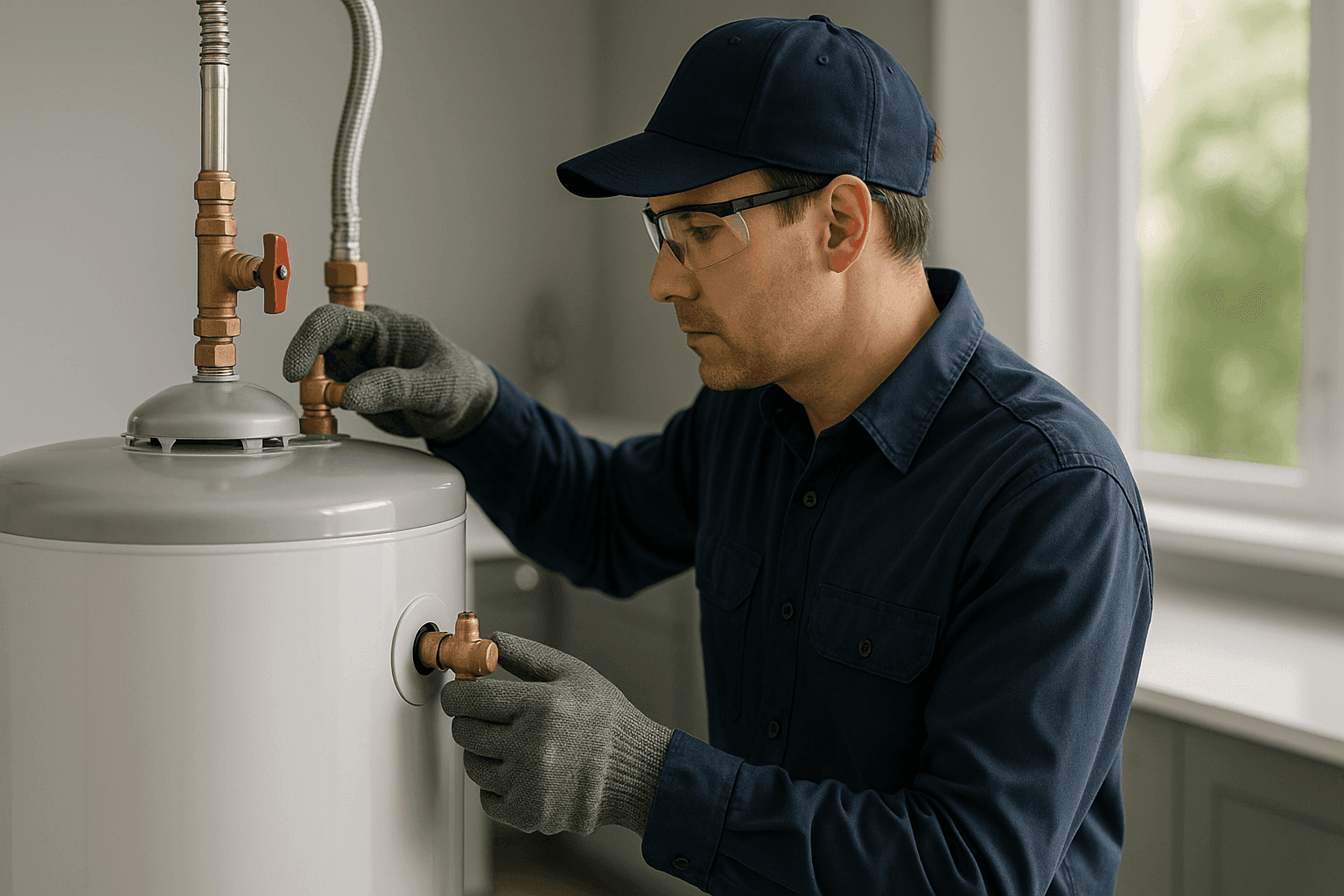
Owning a home is a journey full of surprises. Some are wonderful—others start with a cold shower on a winter morning. Your water heater is easy to forget until you need it most. At Mint Plumbing Co, we understand how important hot water is for comfort, safety, and daily routines.
If you’re thinking about installing a new water heater or want to keep your current one running smoothly, you’re in the right place. Here’s the practical guide every homeowner needs—no jargon, just clear advice from plumbing professionals who care.
Choosing the Right Water Heater for Your Home 🔥
Not all water heaters are created equal. Picking the right one is like finding shoes that fit—you want comfort, reliability, and something that matches your lifestyle.
Types of Residential Water Heaters
- Tank (Storage) Water Heaters: The most common type. Stores a set amount of hot water, ready when you need it.
- Tankless (On-Demand): Heats water as you use it. Compact, energy-efficient, but may require upgrades to your electrical or gas system.
- Heat Pump Water Heaters: Uses electricity to move heat from the air or ground. Highly efficient but can be more expensive upfront.
- Solar Water Heaters: Harness the sun’s energy. Eco-friendly and energy-saving, but climate and installation costs matter.
Sizing Matters
- Too small? You’ll run out of hot water mid-shower.
- Too big? You’ll pay to heat water you never use.
- The “Goldilocks” size depends on:
- Number of bathrooms and bedrooms
- Average household use (showers, laundry, dishwasher)
- Local climate
The U.S. Department of Energy offers sizing guidelines based on household size and usage patterns.
Efficiency Ratings
Look for the Energy Factor (EF) or Uniform Energy Factor (UEF) rating. The higher the number, the more efficient the unit. Tankless and heat pump models usually save energy in the long run but may require higher upfront investment.
Fuel Source
- Gas: Faster heating, often cheaper to operate, but needs proper venting and safety checks.
- Electric: Easier to install, but may cost more to run depending on local utility rates.
If you’re unsure, professional plumbers can help you weigh the trade-offs for your home and budget.
Steps for Safe Water Heater Installation
Installing a water heater isn’t a weekend craft project. It involves plumbing, electrical, and sometimes gas line work. Here’s an overview—always check local codes and consider when to call a pro.
Before You Start
- Permits: Many areas require one.
- Turn Off Utilities: Shut off water and power/gas before beginning.
- Read the Manual: Each model has unique requirements.
Tools & Materials
- Pipe wrenches
- Adjustable pliers
- Teflon tape
- Pipe insulation
- Bucket and towels
- Pipe cutter (as needed)
- Voltage tester (for electric units)
- Flexible gas line (for gas models)
- New water heater and fittings
Step-by-Step Overview
- Drain the Old Tank
- Attach a hose to the drain valve. Let the water run out safely.
- Disconnect Supply Lines
- Water, gas, or electric—carefully disconnect all connections.
- Remove the Old Unit
- This can be heavy. Always lift with your legs.
- Position the New Heater
- Ensure it’s level and has room for maintenance access.
- Reconnect Plumbing
- Use new flexible connectors where possible.
- Apply Teflon tape to threaded joints for leak prevention.
- Connect Power or Gas
- For electric: Follow wiring diagram, check for correct voltage.
- For gas: Secure fittings, check for leaks with soapy water.
- Fill and Bleed Air
- Open the cold supply. Let water run through hot taps to remove trapped air.
- Check for Leaks
- Inspect all connections closely.
- Power Up
- Restore power or gas service. Set the thermostat to 120°F (per Consumer Product Safety Commission recommendations).
Important: Gas and electrical work can be risky. If you’re unsure, have a licensed plumbing professional handle these steps.
Essential Maintenance Tips for Longevity 🛠️
A little TLC goes a long way. Water heaters can last 8–12 years or more with regular care.
Maintenance To-Do List
- Flush the Tank Annually
- Sediment builds up and reduces efficiency. Drain a few gallons from the tank once a year.
- Test the Pressure Relief Valve
- Lift the lever gently—hot water should flow out. If not, it may need replacing.
- Inspect for Leaks
- Check around the base and fittings monthly for drips or rust.
- Adjust the Temperature
- 120°F is hot enough for most homes and safe for kids and seniors.
- Insulate Pipes and Heater
- Reduces heat loss, saves energy, and speeds up hot water delivery.
For tankless units, descale the heat exchanger annually, especially if you have hard water.
Warning Signs You Need Water Heater Repair ⚠️
Sometimes, your water heater will “talk” to you—if you know what to listen for.
- No Hot Water: Obvious, but check circuit breakers or pilot lights first.
- Strange Noises: Popping or rumbling can mean sediment is hardening in the tank.
- Leaks or Puddles: Even a small drip should be checked before it gets worse.
- Rust-Colored Water: May signal corrosion inside the tank.
- Water Takes Too Long to Heat: Could be a failing element or thermostat.
- Pilot Light Keeps Going Out: For gas models, this needs immediate attention.
If you notice any of these, it’s time to call for plumbing repair—don’t wait until a minor issue becomes a flood.
Quick Safety Checklist
- Never set the thermostat above 125°F—scalding risk rises fast.
- Keep flammable items away from the heater, especially gas models.
- Test your pressure relief valve yearly.
- Check for gas leaks using soapy water on connections—never with a match.
- Secure the heater if you live in earthquake-prone areas (per local building codes).
These simple steps keep your home safe and your water hot.
DIY or Call a Pro? 🤔
Some homeowners love a challenge. Still, water heater installation is a bit like surgery—precision matters, and mistakes can be costly.
DIY Is Possible When:
- The unit is electric, and all connections are straightforward.
- You’re comfortable with plumbing basics and local codes.
- No gas lines or venting changes are needed.
Call a Professional When:
- The heater is gas-powered.
- Electrical upgrades or new circuits are required.
- Permits or code compliance is needed.
- The old heater had leaks, corrosion, or wasn’t properly vented.
- You want peace of mind and a warranty on labor.
Licensed plumbers have the tools, experience, and insurance to handle the risks—so you can relax and enjoy your hot showers.
What Pros Do On Arrival
When you hire a plumbing service like Mint Plumbing Co, here’s what you can expect:
- Inspect your old unit and connections.
- Confirm sizing and appropriate installation location.
- Handle safe removal and disposal of old equipment.
- Install the new heater to code, including all water, gas, or electrical lines.
- Test for leaks and proper operation.
- Explain new features, maintenance, and safety tips.
Professionals also check venting, seismic strapping, and code compliance—details that keep your family safe and your insurance valid.
Prevention & Maintenance
Preventative maintenance is like brushing your teeth: a small habit that saves big headaches. Here are a few routines for every homeowner:
- Schedule annual inspections—especially for older heaters.
- Keep the area around your heater clean and clutter-free.
- Watch for wet spots, rust, or unusual sounds.
- Flush the tank yearly to remove sediment.
- Replace anode rods every few years (ask about this at your next plumbing maintenance visit).
Regular attention can extend your heater’s life and reduce the risk of surprise repairs.
Costs & Time Factors
Installing or replacing a water heater isn’t free—but knowing what to expect can help you budget.
- Time: Most replacements take 2–4 hours for a pro. DIY can run longer, especially if surprises pop up.
- Cost Factors:
- Type (tankless is pricier but saves on energy)
- Capacity (larger tanks cost more)
- Installation complexity (gas or electric, venting, permits)
- Upgrades (code compliance, seismic straps, expansion tanks)
Avoid lowball offers. Quality plumbing installation is an investment in your home’s comfort and safety.
When It’s an Emergency
Some water heater problems can’t wait:
- You see water pooling around the base—it’s leaking badly.
- You smell gas near the heater—leave the house and call for help.
- The unit is making loud, alarming noises.
- You have no hot water, and it’s freezing outside.
Don’t risk your safety or damage to your home. Emergency plumbing services are available for urgent repairs—day or night.
Frequently Asked Questions
How long should a water heater last?
Most tank heaters last 8–12 years with regular maintenance. Tankless models can go up to 20 years.
Can I install a water heater myself?
If you’re experienced with plumbing and electrical work, yes, especially for electric models. Gas units and code compliance almost always need a pro.
How can I tell if my water heater is failing?
Look for leaks, rust, rumbling sounds, or inconsistent hot water. Any of these signs mean it’s time for a plumbing inspection.
Is it worth switching to tankless?
Tankless heaters save space and energy, but installation can be costly. They’re a good fit for many homes, especially if you use a lot of hot water.
Local and Seasonal Considerations 🌦️
Climate affects your water heater choice and maintenance routine:
- Cold Winters: Insulate pipes and water heater to prevent freezing and heat loss.
- Hard Water Areas: Sediment builds faster—flush the tank twice a year.
- Storm-Prone Regions: Secure the unit and consider a backup power source.
Check your local building codes for installation and safety requirements. The International Association of Plumbing and Mechanical Officials (IAPMO) and the National Fire Protection Association (NFPA) provide standards for safe installation and operation.
Ready for reliable hot water, no matter what the weather brings? Call Mint Plumbing Co now — or reach us anytime at 888-827-0920 .