Complete Guide to Sewer Line Problems: Signs, Causes, and Repair Options
Is there a strange smell wafting from your yard? Are your drains suddenly slower than a snail on a rainy day? Sewer line problems don’t announce themselves with neon signs—but they can upend daily life before you know it. At Mint Plumbing Co, we know the frustration and urgency that comes when your home’s plumbing hits a snag. We’re here to help you spot issues early and understand your options, so you can keep your household running smoothly.
Let’s walk through what every homeowner should know about sewer line trouble—without the guesswork, panic, or mess.
Warning Signs of Sewer Line Trouble 🚩
Sewer line issues rarely pop up overnight. Like an iceberg, most of the problem is hidden below the surface. But the warning signs? They’re right at home if you know where to look.
-
Slow Drains or Gurgling Sounds
If your sinks, tubs, or showers take forever to empty—or you hear odd gurgling noises—something could be brewing deep in your pipes. One slow drain is often a local clog. But if it’s happening all over the house, the main sewer line may be struggling. -
Sewage Odors Indoors or Outdoors
A whiff of rotten eggs or musty sewer gas is never normal. Persistent smells, especially near drains or in your yard, suggest a breach or blockage in the sewer line. -
Water Backups or Overflowing Toilets
Toilets or floor drains that bubble, overflow, or back up after using water elsewhere mean trouble downstream. It’s like traffic piling up after a roadblock. -
Soggy Patches in the Yard
Notice lush, soggy, or sunken areas in your lawn? It could be more than just a sprinkler mishap. Leaking sewer lines will quietly saturate the soil and create swampy zones. -
Unusual Pest Activity
Rats, insects, or other pests suddenly making themselves at home? Damaged or cracked pipes can invite unwanted guests.
Catching these hints early can save you from much bigger headaches down the line.
Common Causes (Roots, Age, Blockages)
What’s the culprit behind all this chaos? Sewer line problems usually come down to a few usual suspects:
Tree Roots: Nature’s Pipe Invaders
Tree roots are relentless. Drawn to moisture and nutrients, they’ll squeeze into the tiniest cracks, then expand until they clog or break pipes. If your home has mature trees nearby, those roots might be hunting for your pipes right now.
Pipe Age and Material
Older homes, especially those built before the 1970s, often have clay, cast iron, or Orangeburg pipes. These materials degrade over decades—cracking, collapsing, or corroding until flow slows to a trickle. Even modern PVC can suffer if it’s not installed properly.
Blockages and Build-Up
Think of your pipes like arteries. Years of grease, wipes, hair, and debris can build up, narrowing the passage until nothing gets through. Sometimes, a single flush of the wrong thing (like “flushable” wipes) is all it takes to trigger a backup.
Ground Movement or Construction
Natural settling, freeze/thaw cycles, or nearby construction can shift soil and stress sewer lines. This can cause misalignment, separation, or full-on pipe collapse.
Poor Installation
If the original installation cut corners or ignored local plumbing codes, problems may show up years later. Slopes that are too steep or too shallow can both spell trouble.
Inspection Methods (Cameras, Smoke Tests)
How do you figure out what’s happening under your lawn or foundation, without a shovel in sight? Plumbers today use a toolkit that would impress any detective.
Video Camera Inspections 📹
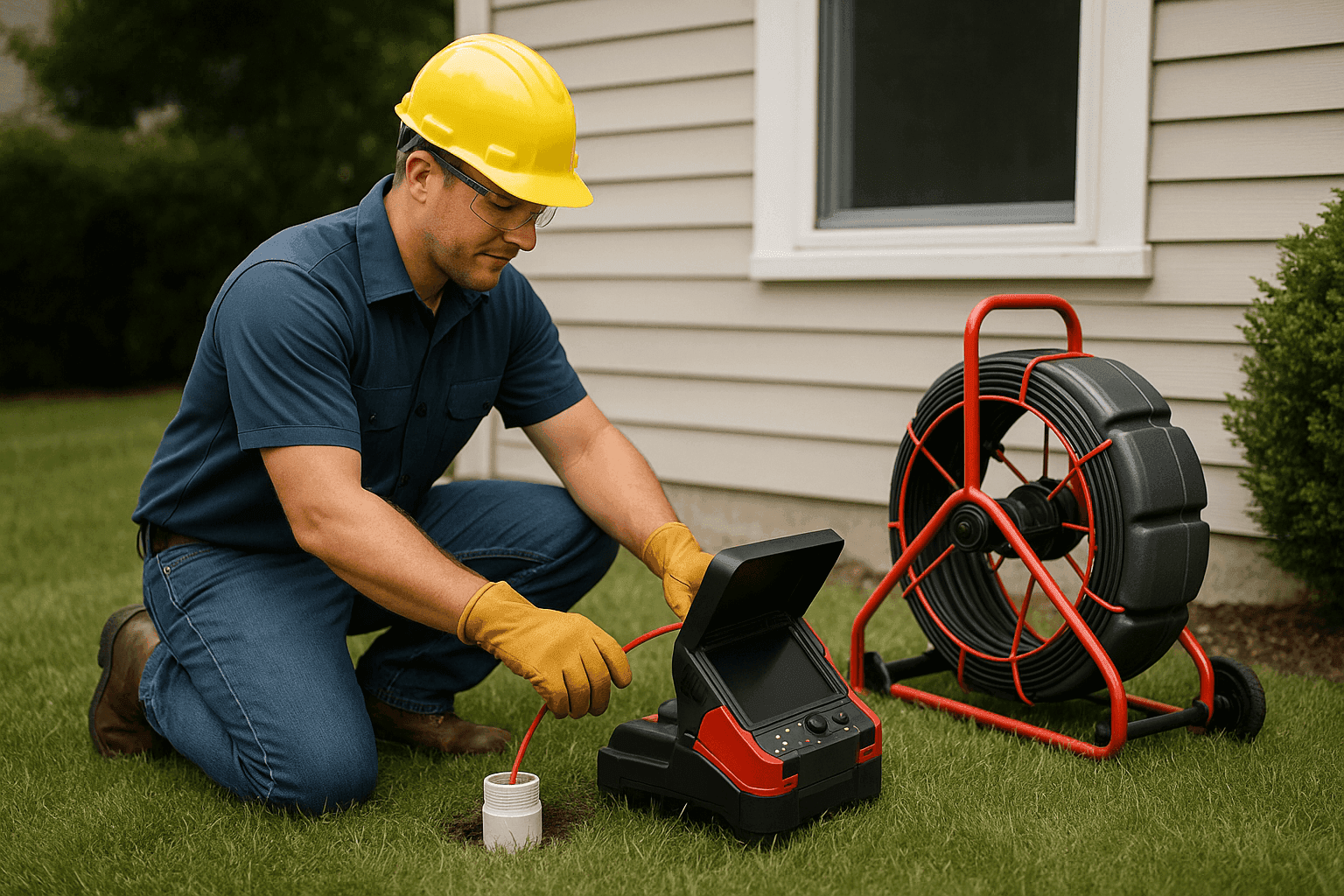
A waterproof camera on a flexible cable is snaked through the sewer line. This gives a real-time look at the inside of your pipes. We can spot cracks, roots, clogs, and even see what material your pipes are made of—without digging.
Smoke Testing
Non-toxic, odorless smoke is pumped into the sewer line. If the smoke escapes anywhere it shouldn’t (like your yard or basement), it pinpoints breaks or illegal connections. This method is especially helpful for tracing elusive leaks or illegal storm drain tie-ins.
Dye Testing
A brightly colored, non-toxic dye is flushed down a drain. If the color shows up where it shouldn’t, the leak’s path becomes clear. This is often used to diagnose complex cross-connections between sewer and storm lines.
Listening Devices and Pressure Tests
Sensitive microphones can pick up the sound of leaks underground, while pressure testing checks for drops in water pressure that signal hidden cracks or breaks.
Tip: Never attempt invasive inspections yourself. Not only are specialized tools required, but improper handling can damage pipes or violate local code.
Repair and Replacement Solutions
So, what happens once you know what’s wrong? There’s no one-size-fits-all fix. The best solution depends on what’s causing your sewer line problems and where the damage is located.
Traditional (Trenching) Repair
- How it works: The old-fashioned way—dig a trench along the pipe, remove the damaged section, and lay new pipe.
- Pros: Works for all types of damage (collapse, severe root intrusion, full replacement). Time-tested and reliable.
- Cons: Disruptive. Your landscaping, driveway, or sidewalks may need to be torn up. Labor-intensive and can take several days.
Trenchless Repair Methods
Pipe Lining (Cured-In-Place Pipe)
- How it works: A flexible liner coated with resin is inserted into the existing pipe, then inflated and cured to form a new “pipe within a pipe.”
- Pros: Minimal digging. Often completed in a day. Extends pipe life by decades.
- Cons: Not suitable for pipes that have collapsed or are severely misaligned. Upfront cost can be higher than spot repairs.
Pipe Bursting
- How it works: A new pipe is pulled through the old one, breaking the damaged pipe outward as it goes.
- Pros: Replaces entire pipe without a trench. Works well for completely failed pipes.
- Cons: Requires entry and exit pits. May not work in very tight spaces.
Spot Repairs
If the issue is limited to a single joint or section, a partial replacement may be possible. This is often the quickest and most cost-effective option for small problems.
Choosing the Right Solution
A licensed plumber will weigh pipe material, condition, code requirements (see the Uniform Plumbing Code for standards), and your property layout before recommending repairs.
Realistic Timeline:
- Simple cleaning or spot repair: a few hours to one day
- Lining or bursting: 1–2 days
- Full trench replacement: 2–5 days, depending on length and access
Early action is key. The longer you wait, the more likely you’ll face extensive (and expensive) repairs.
Practical Tips for Homeowners
- Don’t ignore slow drains or odd smells. Small signs can signal big trouble beneath your feet.
- Know when your home was built and what material your pipes are made of.
- Plant trees and shrubs far from buried sewer lines.
- Never flush wipes, grease, or hygiene products.
- Schedule preventative maintenance for your plumbing—especially if you’re seeing recurring problems.
When to Call a Plumber
DIY fixes rarely work for main sewer line issues. Store-bought drain cleaners can corrode pipes or kill the beneficial bacteria that help break down waste. If you notice:
- Multiple drains backing up at once
- Water pooling in your yard with no clear cause
- Strong sewer odors indoors or out
…it’s time to call a professional. Licensed plumbers have the equipment—and the experience—to diagnose and fix the problem safely.
FAQ: Sewer Line Problems
How often should I have my sewer line inspected?
If your home is over 30 years old, or you’ve had repeated clogs or backups, aim for an inspection every 3–5 years. Newer homes can go longer, unless you notice warning signs.
Can sewer line repairs be done in winter?
Yes—most methods work year-round, though frozen ground can slow things down. Severe emergencies should never wait for spring.
Will homeowner’s insurance cover sewer line repairs?
It depends. Many standard policies don’t cover wear and tear, but may cover sudden, accidental damage. Check your policy or speak to your agent for details.
Is trenchless repair as durable as traditional replacement?
When installed correctly by a licensed plumber, trenchless liners and new pipes can last 50 years or more.
Local and Seasonal Considerations
Heavy rains, spring thaws, or drought can all shift soil and stress buried sewer lines. In colder climates, freeze/thaw cycles may cause pipes to crack or joints to separate. If your area is prone to seasonal flooding, consider preventative backflow devices and regular plumbing maintenance.
Codes may vary by region—always hire a plumber who follows local and national codes, such as the Uniform Plumbing Code and International Residential Code, to ensure safe, lasting repairs.
Sewer line problems aren’t just an inconvenience—they can become a health hazard and a financial drain if ignored. The sooner you spot trouble, the more options you’ll have.
Call Mint Plumbing Co now — or reach us anytime at 888-827-0920 .