When to Replace vs. Repair Plumbing Pipes: A Homeowner’s Decision Guide
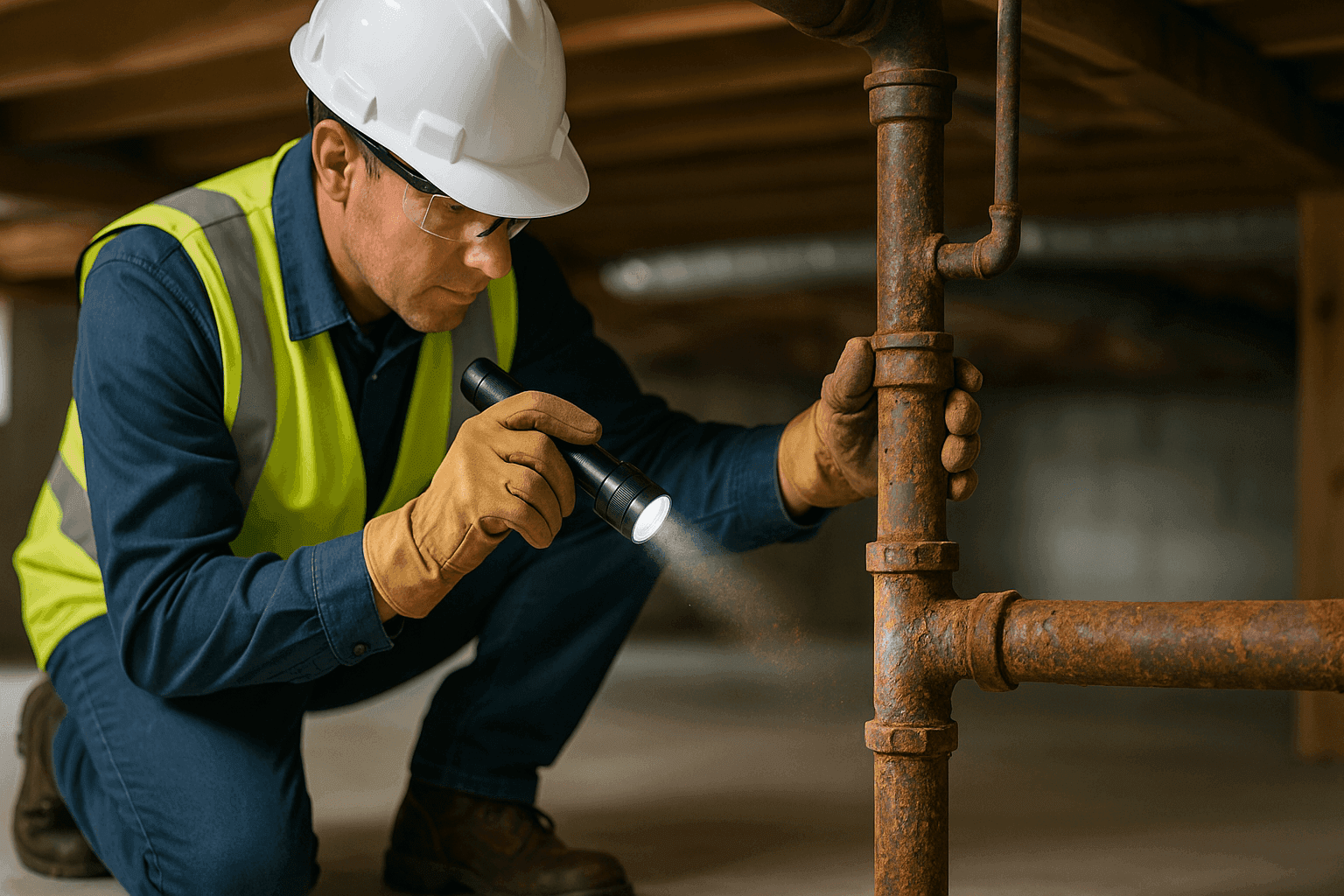
Your home’s pipes are like the veins of your house—quietly working behind the walls and under the floors. But when something goes wrong, it’s impossible to ignore. From a tiny drip under the sink to a full-blown leak in the ceiling, pipe problems are disruptive and stressful.
At Mint Plumbing Co, we know the decision to repair or replace plumbing pipes isn’t always clear. But getting it right can protect your home, your wallet, and your peace of mind.
Signs Your Pipes Need Attention 🛑
Some plumbing issues shout for help; others whisper. Either way, knowing the warning signs can save you from bigger headaches down the road.
- Leaks or Damp Spots: Water stains on walls, ceilings, or cabinets signal a hidden leak.
- Rusty or Discolored Water: Brown, red, or yellow water hints at corrosion inside your pipes.
- Frequent Clogs or Low Water Pressure: If the shower feels weak or drains keep backing up, your pipes may be narrowing from buildup or corrosion.
- Strange Noises: Banging, whistling, or gurgling pipes often mean air, mineral buildup, or shifting joints.
- Visible Corrosion or Flaking: Exposed pipes with green, white, or rust-colored spots suggest it’s time to investigate.
- Unexpected Water Bills: A sudden spike could mean water is escaping where it shouldn’t.
If any of these sound familiar, your pipes are calling for help.
Pros and Cons: Repairing vs. Replacing
The age-old question: patch it up, or start fresh? Let’s break down both options in plain terms.
Repairing Pipes
Pros:
- Less Disruption: Repairs are usually quicker and less invasive.
- Lower Upfront Cost: Fixing a leak is often cheaper than full replacement.
- Targeted Solution: Good for isolated problems or newer systems.
Cons:
- Temporary Fix: If your pipes are old or corroded, repairs may only buy time.
- Repeat Issues: One leak often means more to come, especially in aging plumbing.
- Hidden Damage: Hard-to-see corrosion or buildup can spread beyond the repair.
Replacing Pipes
Pros:
- Long-Term Solution: New pipes mean fewer worries and less future maintenance.
- Improved Water Quality: Fresh pipes reduce the risk of rust, lead, or mineral buildup.
- Higher Home Value: Modern plumbing is a selling point for future buyers.
Cons:
- Higher Initial Cost: Replacement is an investment.
- More Disruption: Floors or walls may need opening for access.
- Time Commitment: Replacing pipes can take days, depending on the project.
The right choice depends on your situation—age of your plumbing, severity of the issue, and your long-term plans for your home.
Types of Pipe Materials and Lifespans
Not all pipes are created equal. Some last decades, others wear out much sooner. Here’s what you need to know about the most common residential plumbing materials:
- Copper: Durable and reliable. Lifespan: 50+ years. Signs of trouble include pinhole leaks or green corrosion.
- PEX (Cross-linked Polyethylene): Flexible and resistant to scale. Lifespan: 40–50 years. UV-sensitive, but excellent for interior use.
- Galvanized Steel: Prone to rust and buildup. Lifespan: 20–50 years, but often replaced sooner due to corrosion.
- PVC (Polyvinyl Chloride): Used for drain lines. Lifespan: 25–40 years. Brittle over time, especially with sun or temperature extremes.
- Cast Iron: Heavy-duty, used in older homes for drain lines. Lifespan: 75–100 years, but susceptible to internal corrosion and cracking.
If your home is older, especially pre-1970s, your pipes may be near the end of their service life. Newer materials like PEX and copper are often used in modern repiping and installations.
How Professionals Assess Plumbing Pipes 🧰
When you call for bathroom plumbing near you, what happens next isn’t guesswork—it’s science and skill. Here’s how our team at Mint Plumbing Co goes about it:
Inspection and Testing
- Visual Inspection: We look for obvious signs—leaks, corrosion, water stains, and exposed pipe damage.
- Pressure Testing: Checks for hidden leaks by monitoring water pressure drops.
- Video Camera Inspection: Especially for sewer lines, a camera helps us see inside pipes without tearing up your home.
- Water Quality Testing: Discoloration or metallic taste may clue us in to pipe deterioration.
Decision-Making
We weigh several factors:
- Extent of Damage: Is it a single spot, or are multiple areas affected?
- Age of Pipes: Old pipes with one leak often fail again soon.
- Cost Comparison: Sometimes, a repair costs nearly as much as a full replacement.
- Code & Safety Guidelines: We follow local building codes and standards from sources like the International Plumbing Code and the EPA.
Above all, our goal is transparency. We’ll show you what we see, explain your options, and answer every question. No pressure tactics—just honest advice.
Practical Tips for Homeowners
- Know Your Pipe Material: If you don’t know what’s in your walls, ask during your next plumbing visit.
- Watch for Water Color: Sudden changes can mean pipe corrosion.
- Listen for Noises: Unusual sounds are your plumbing’s way of signaling trouble.
- Schedule Preventative Maintenance: Annual checkups catch small issues before they grow.
- Act Quickly: A “wait and see” approach can turn a $100 fix into a $1,000 repair.
FAQ: Common Questions
How do I know if my pipes need replacing?
If you see frequent leaks, discoloration, or know your pipes are 50+ years old, it’s time to consider replacement.
Can I repair pipes myself?
Small leaks (like a loose fitting under a sink) can be a DIY project. But anything hidden, corroded, or involving water pressure should be left to licensed professionals.
Will my water need to be shut off during repairs?
Yes, for most repairs or replacements, water will be temporarily shut off to keep things safe and dry.
Is pipe replacement covered by insurance?
Insurance may cover sudden damage (like burst pipes), but not gradual wear or corrosion. Check your policy for specifics.
Local and Seasonal Considerations
- Cold Weather: Pipes are more likely to burst in freezing temps. Insulate exposed plumbing in basements or crawl spaces.
- Older Neighborhoods: If your home is in an area with aging infrastructure, replacement may be more common.
- Renovations: Planning a kitchen or bathroom remodel? It’s a good time to upgrade old plumbing.
Closing Thoughts
Choosing between repairing and replacing pipes is a big decision. It’s about more than pipes—it’s about protecting your home, your health, and your investment. At Mint Plumbing Co, we’re here to guide you every step of the way.
Call Mint Plumbing Co now — or reach us anytime at 888-827-0920 .