What to Do When You Discover a Plumbing Leak: Emergency Steps
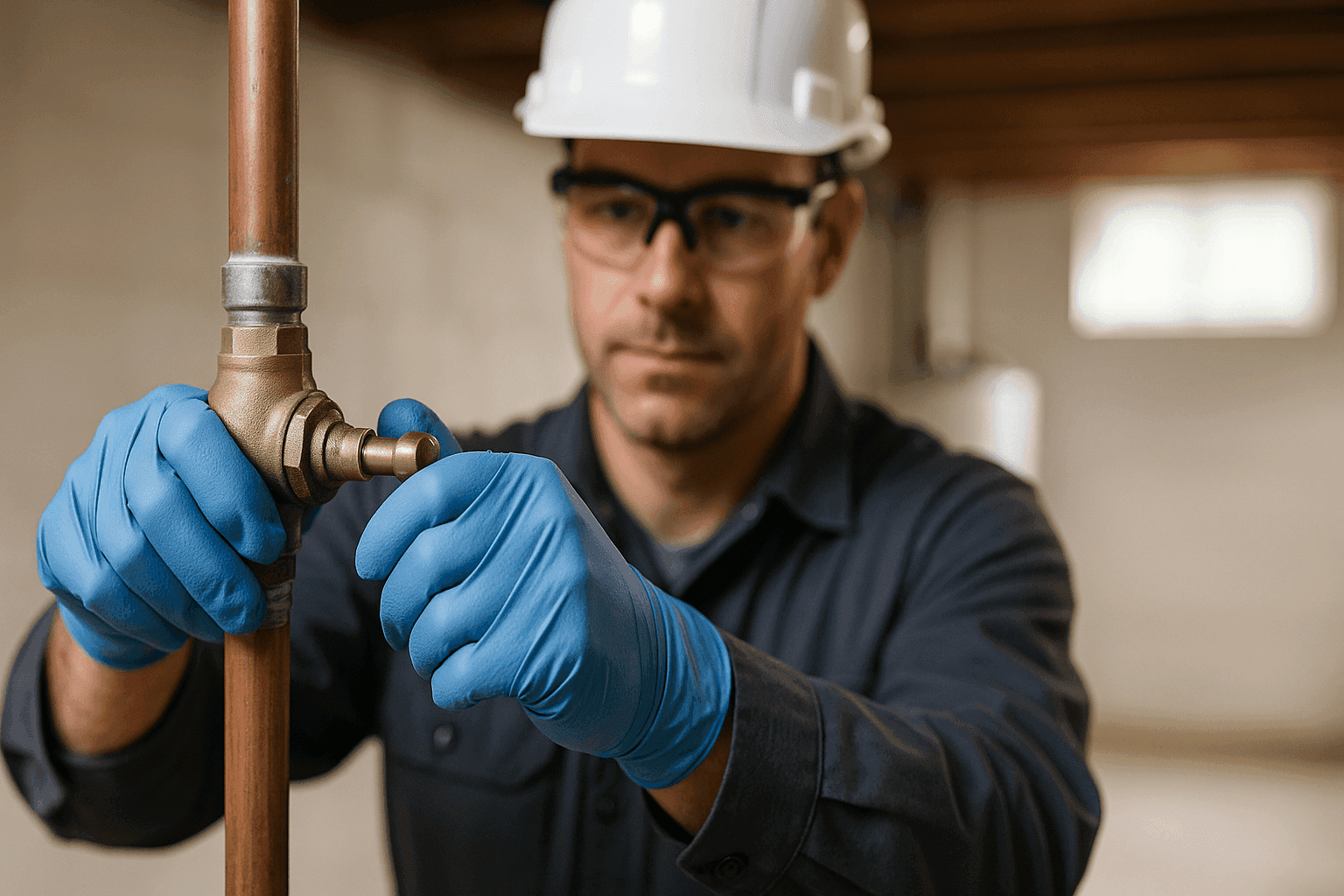
When water starts seeping where it shouldn’t, panic can set in. The floor feels spongy. The air smells damp. You hear that telltale drip, drip, drip. Suddenly, your cozy haven feels like a ticking time bomb.
At Mint Plumbing Co, we know how overwhelming a plumbing leak can be—especially in the middle of the night, during a holiday dinner, or after a nasty storm. Here’s how to act fast, stay safe, and keep damage to a minimum until professional help arrives.
Recognizing a Plumbing Emergency
Not every drip is a disaster. But some leaks need immediate action—think of them as a “red light” on your plumbing dashboard 🚨.
What’s an emergency?
- Burst pipes: Water spraying or gushing—walls, ceilings, or under sinks.
- Flooding: Water pooling on floors.
- Overflowing toilets or drains: Water rising fast, threatening to spill over.
- Sewer backups: Unpleasant smells, black or gray water coming up.
- No water supply: Total loss of water, especially in cold weather (risk of frozen pipes).
If you’re seeing any of these, it’s time to act—fast.
Immediate Steps to Stop Water Damage
Water moves like a herd of stampeding wild horses—fast, unpredictable, and destructive. Slow it down with these steps:
-
Shut off the water supply.
- For most leaks: Find the nearest shut-off valve (under sink, behind toilet, or at the water heater).
- For major leaks: Turn off your home’s main water valve (usually in the basement, garage, or near the curb).
-
Cut the power if needed.
- If water is near outlets, appliances, or your breaker box, shut off electricity at the panel. Safety first.
-
Move valuables and electronics.
- Get rugs, furniture, and electronics out of the way. Water and electricity are a dangerous duo.
-
Contain the leak.
- Place buckets or towels under drips.
- Use plumber’s tape or a rag to wrap minor pipe leaks (just until help arrives).
-
Document the damage.
- Take quick photos or videos. This helps later with insurance claims.
-
Ventilate the area.
- Open windows and doors to help dry things out, if weather allows.
Mitigating Risks Until Help Arrives
Every minute counts. While you wait for a professional, limit further damage and keep your home safe.
- Keep children and pets away from affected areas.
- Don’t use sinks, toilets, or fixtures connected to the leaking pipes.
- Don’t try to repair major issues (like a burst pipe) if you’re unsure—improvised fixes can make things worse.
- Check for slippery floors and mop up standing water to prevent falls.
- If the leak is storm-related:
- Watch for downed power lines outside.
- Avoid using extension cords in wet areas.
Insurance Tip:
According to the Insurance Information Institute, quick documentation and prompt reporting are vital for most homeowners’ policies. Snap those photos and save receipts for any repairs or cleanup.
Preparing for Plumber Arrival
A little preparation helps the pros work faster and safer.
- Clear a path: Move furniture or clutter away from the leak’s source.
- List what you’ve done so far:
- Where’s the shut-off valve?
- When did the leak start?
- Any unusual noises or smells?
- Have your phone handy: The plumber may call for directions or details.
- Keep pets in another room: Even friendly animals can get underfoot when tools and equipment are in use.
Quick Emergency Plumbing Checklist
- Water off?
- Electricity off (if needed)?
- Valuables/electronics moved?
- Photos taken?
- Plumber called?
- Kids/pets safe?
- Area ventilated?
Tape this list inside a cabinet—you’ll thank yourself later.
DIY or Call a Pro?
Some leaks are like a squeaky door—annoying, but safe to handle. Others are like a hornet’s nest—disturb them, and things get dangerous fast.
Safe to DIY:
- Tightening a dripping faucet.
- Replacing a washer on a leaky hose.
- Using a plunger for a simple clog.
Call a professional immediately:
- Burst, frozen, or cracked pipes.
- Leaks near electrical panels or appliances.
- Sewage smells or visible wastewater.
- Water heater leaks.
- Flooding you can’t contain.
Plumbing systems are tied to building codes and safety standards (ref: International Plumbing Code, local municipal codes). Don’t risk it—serious leaks need licensed hands.
What Pros Do On Arrival
When your plumber walks in, here’s what happens next:
-
Assessment:
- Inspect visible damage.
- Check for hidden leaks with moisture meters or leak detection tools.
-
Containment:
- Shut off any remaining water.
- Use professional-grade vacuums or pumps for standing water.
-
Repair:
- Temporary fix if parts are needed.
- Permanent repair (pipe replacement, sealant, fixture repair).
-
Safety check:
- Inspect for mold or structural damage.
- Test water pressure and system function.
-
Advice:
- Recommendations for preventing future issues.
- Documentation for insurance, if needed.
Plumbers follow Occupational Safety and Health Administration (OSHA) guidelines for electrical safety and water damage cleanup.
Prevention & Maintenance
An ounce of prevention is worth a pound of clean-up towels.
- Annual plumbing inspections: Early detection saves headaches later.
- Know your shut-offs: Every adult in your home should know where water and power shut-offs are.
- Install leak detectors: Battery-powered alarms under sinks or near water heaters can buy precious time.
- Preventative maintenance: Mint Plumbing Co offers services like Bathroom Plumbing near you, sewer line inspection, and water heater maintenance to spot trouble before it starts.
Costs & Time Factors
Every leak is different—some are a slow drip, others a flash flood. Here’s what affects the bill and the clock:
- Severity: Burst pipes and flooding cost more and take longer to fix than a minor drip.
- Location: Hard-to-reach or hidden leaks (inside walls, under floors) require more time and skill.
- Parts needed: Some repairs can be done on the spot; others need special-order parts.
- After-hours or holiday calls: Emergency plumbing often comes at a premium.
- Cleanup: Water removal and mold prevention add to both cost and time.
Average emergency plumbing visits can last from one hour for simple fixes to several hours for major issues. Always ask for an estimated timeline and scope when your plumber arrives.
When It’s an Emergency
If you’re ever in doubt, treat it as an emergency. Water damage spreads like ink in a paper towel—fast and far.
Key signs it’s urgent:
- Water won’t stop flowing.
- Electrical hazards are present.
- Sewage is backing up.
- There’s risk to health or property.
Remember: Home plumbing is complex, and quick action is critical. The right steps now prevent bigger problems later.
FAQ: Plumbing Leak Emergencies
1. Should I always turn off the water main in a leak?
If you can’t isolate the leak or water is spreading fast, yes—shut off the main valve. For minor leaks, shutting off a local valve is often enough.
2. Will insurance cover water damage from a leak?
Most homeowners’ insurance covers sudden, accidental leaks (like a burst pipe). Long-term damage from neglected leaks may not be covered. Always check your policy and document the incident.
3. What if I can’t reach a plumber right away?
Do what you can to stop water and protect your home, then call as soon as possible. Many plumbers, including Mint Plumbing Co, offer after-hours emergency service.
4. Are all plumbing leaks dangerous?
Not all—but any leak near wiring, gas lines, or sewage is a serious safety risk and needs immediate attention.
Local and Seasonal Considerations
Leaks don’t keep business hours. Around holidays, weekends, or after a big storm, calls spike. Being prepared, especially in colder months, is key—frozen pipes are a common culprit when temperatures dip.
Tips for your region:
- Winter: Insulate exposed pipes and know where your main shut-off is.
- Spring storms: Check sump pumps and basement seals.
- Vacation: Turn off the water main if you’ll be gone for more than a few days.
A plumbing leak can turn your home upside down. But with calm, clear steps, you can minimize the chaos—and protect what matters most. When the unexpected strikes, Mint Plumbing Co is here to help.
Call Mint Plumbing Co now — or reach us anytime at 888-827-0920 .