How to Choose the Right Water Filtration System for Your Home
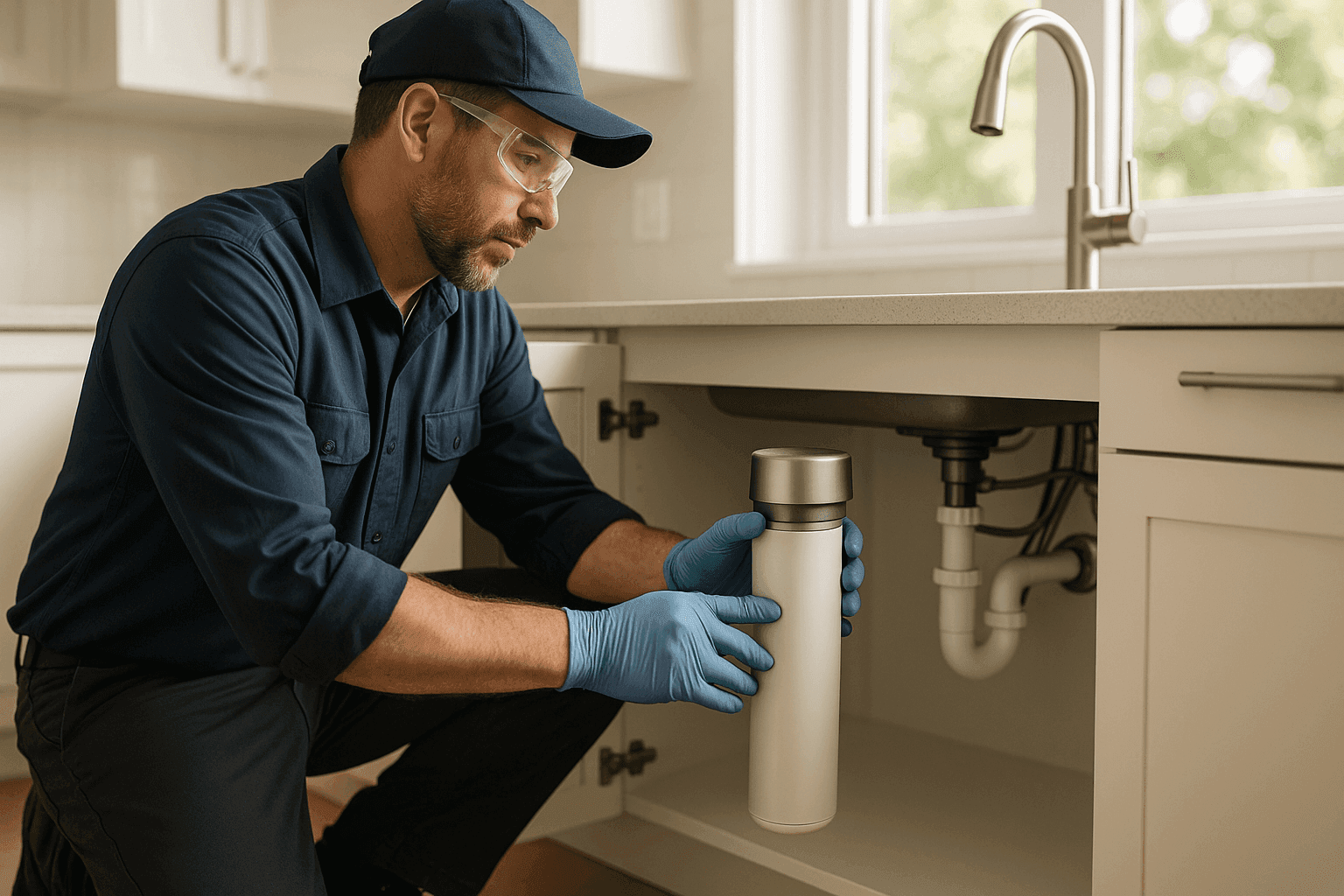
Clean, safe water isn’t something you should have to guess about. If you’ve ever poured a glass and wondered, “What’s really in here?”—you’re not alone. Choosing the right water filtration system for your home is a big step toward peace of mind and better health.
At Mint Plumbing Co, we know that every home—and every family—has different needs. From the kitchen tap to the shower, the quality of your water touches nearly every part of your daily life. Let’s break down what matters most so you can make the right choice for your home and loved ones.
Understanding Home Water Quality Concerns 🚰
Water may look crystal clear, but sometimes the real story is hidden beneath the surface. Municipal water supplies are regulated by the Environmental Protection Agency (EPA) and local health codes, but that doesn’t mean your water is totally free of issues. Here are some of the most common water quality concerns for homeowners:
- Chlorine: Added to kill bacteria, but can leave an odd taste and odor.
- Lead: Older pipes, fixtures, or solder can leach this harmful metal into your water.
- Microbes: Bacteria, viruses, and parasites sometimes sneak past city treatment plants.
- Hardness: High mineral content (calcium, magnesium) can cause scale, spots, and soap problems.
- Sediment: Tiny bits of dirt or rust from aging pipes.
- PFAS, pesticides, or industrial runoff: More common in rural or agricultural areas.
Tip: Start with a water test. Home test kits are available at hardware stores, or you can contact your local health department for certified lab testing. This gives you a blueprint for what you need to filter out.
Types of Water Filtration Systems
Imagine each filtration system as a different kind of safety net. Some catch big, obvious problems. Others are more like a sieve, grabbing even the tiniest threats. Here are the most common types you’ll find for homes:
Pitcher Filters
- How they work: Water passes through an activated carbon cartridge inside a jug or pitcher.
- Pros: Affordable, easy to use, and no installation required.
- Cons: Only treats small amounts at once and needs frequent cartridge changes.
- Best for: Light use, renters, or as a first step.
Under-Sink Filters
- How they work: Installed directly beneath your sink, these systems treat water at a single faucet.
- Pros: Convenient, discrete, and often more thorough than pitcher filters.
- Cons: Requires plumbing work; cartridges last longer, but still need regular replacement.
- Best for: Drinking and cooking water in kitchens.
Whole-Home (Point-of-Entry) Systems
- How they work: Installed where water enters your home, treating every drop before it reaches your taps.
- Pros: Handles sediment, chlorine, and sometimes hardness for the entire house.
- Cons: Higher upfront cost; installation is complex; some models need electricity or drainage.
- Best for: Families with multiple water quality concerns, or homes with well water.
Common Filtration Technologies
- Activated Carbon: Great for chlorine, odors, and some chemicals. Not effective against microbes or minerals.
- Reverse Osmosis (RO): Removes a wide range of contaminants—including lead, nitrates, and some microbes—by forcing water through a super-fine membrane. Needs regular maintenance and wastes some water.
- Ultraviolet (UV): Uses light to deactivate bacteria and viruses. Usually paired with another filter since it doesn’t remove solids or chemicals.
- Water Softeners: Tackle hardness, but don’t remove chemicals or microbes. Sometimes paired with other filters.
Factors to Consider When Choosing a System
Picking a water filter isn’t just about price or popularity. Here’s what matters most:
1. What’s in Your Water?
Your water test results are the roadmap here. For lead, RO or certified carbon filters are best. For bacteria, UV is a strong choice. Hard water? You’ll want a softener.
2. How Much Water Do You Use?
Do you need filtered water just for drinking, or for bathing and laundry too? Pitcher filters won’t keep up with big families. Whole-home systems are built for volume.
3. Certifications and Standards
Look for filters certified by NSF International or the Water Quality Association (WQA). These marks mean the product has passed independent testing for safety and effectiveness.
4. Space and Installation
Under-sink and whole-home units need dedicated space and plumbing access. Measure before you buy.
5. Budget—Now and Later
Factor in the cost of the unit, installation, and ongoing filter replacements. Some systems are cheap to buy but expensive to maintain. Others last longer between changes.
6. Maintenance Demands
All filters need attention. Set a reminder to change cartridges on time, or you risk making things worse—not better.
Professional Installation and Ongoing Maintenance 🛠️
Let’s be honest: plumbing can get tricky. A filter that’s not installed properly is like putting a bandage on the wrong spot. Here’s why a seasoned plumber makes all the difference:
- Correct Sizing: A pro will match your filter to your home’s water pressure and flow needs.
- Compliance: Installation is done to local plumbing codes and safety standards.
- No Leaks, No Surprises: Avoid hidden drips that damage cabinets or flood your basement.
- Ongoing Care: Regular filter changes, system inspections, and troubleshooting—handled for you.
The Centers for Disease Control and Prevention (CDC) recommends professional installation of any system that affects your whole home or connects to your plumbing directly. It’s not just about safety; it’s about getting what you paid for.
DIY vs Professional Help
If you’re handy, installing a pitcher or countertop filter is a breeze. But under-sink and whole-home systems? Leave those to the pros. Working with water lines, valves, and pressure can be like wrestling a stubborn garden hose—except the stakes are much higher.
Practical Tips for Healthier Water at Home
- Test your water every year—or anytime you notice a change in taste, smell, or color.
- Replace filters as recommended by the manufacturer (usually every 3–12 months).
- Check for leaks or drips after any installation.
- Keep installation manuals and certifications in a safe spot for reference.
Frequently Asked Questions
How do I know what’s in my tap water?
Start with a certified home test kit, or contact your local health department for lab testing options. Your water utility’s annual Consumer Confidence Report (CCR) is also a good resource.
How often should I change my filter?
It varies by system and water quality. Most pitchers need new cartridges every 2–3 months. Under-sink and whole-home filters often last 6–12 months, but always check your manufacturer’s guidance.
Is filtered water always better than bottled water?
Filtered tap water is often just as clean—if not cleaner—than bottled, and much more environmentally friendly. Plus, you control what gets filtered out.
Can I install a filter myself?
Simple filters, yes. Anything that connects to your plumbing, especially whole-home or under-sink units, should be professionally installed to prevent leaks and code violations.
Local and Seasonal Considerations
In some areas, heavy rains or droughts can affect water quality. Seasonal maintenance, like flushing filters or checking for frozen pipes, keeps your system running smoothly year-round. If you’re on a private well, test your water after major storms or floods.
The Bottom Line
Choosing a water filtration system is about protecting your family’s health and home. You don’t have to figure it out alone. From testing to installation, Mint Plumbing Co is here to help you make a smart, lasting choice—so you can drink, cook, and bathe with confidence, every single day.
Call Mint Plumbing Co now — or reach us anytime at 888-827-0920 .