Bathroom Plumbing Problems: Quick Fixes & When to Call a Pro
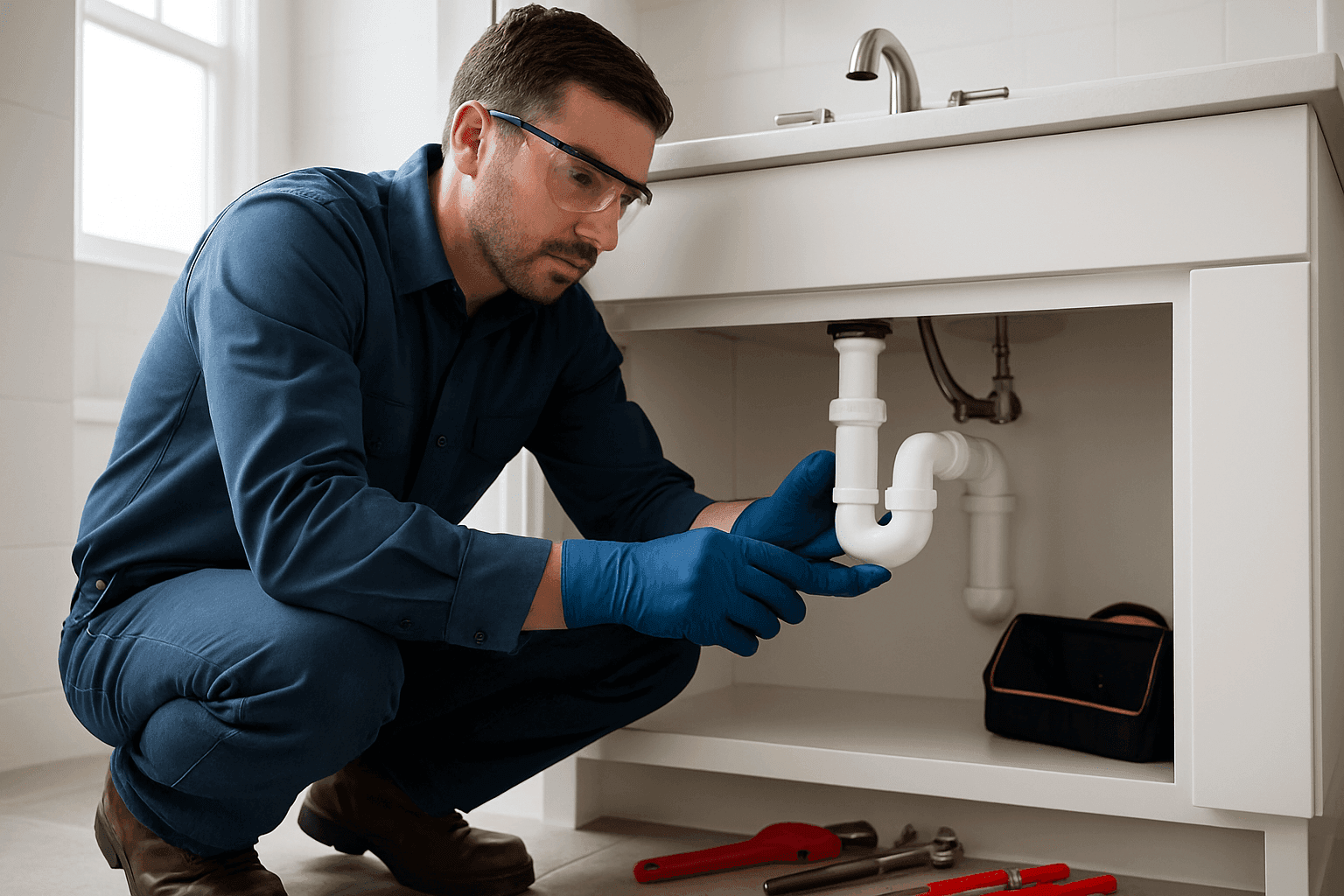
Every homeowner knows that the bathroom is the quiet workhorse of the house—until it isn’t. A leaking faucet, a slow drain, or a toilet that won’t stop running can turn your morning routine into a scramble. Plumbing issues can escalate quickly, and minor problems often signal bigger trouble brewing below the surface.
At Mint Plumbing Co, we’ve seen firsthand how a drip becomes a flood—and how a little know-how can keep your home safe. Let’s break down what you can do, what to watch for, and when it’s time to call in the pros for bathroom plumbing near you.
Common Bathroom Plumbing Issues 🚿
Bathroom plumbing is like the nervous system of your home: most of the time, you never notice it—until something goes wrong. Here are the most common culprits we encounter:
-
Leaky Faucets
That slow drip isn’t just annoying. Over time, it wastes water and can even cause damage under your sink. -
Slow Drains & Clogs
Water pooling around your feet in the shower? That’s a sign of a partial clog building up—often from hair, soap, or mineral deposits. -
Running Toilets
If your toilet keeps refilling on its own, it’s more than a nuisance. It can waste hundreds of gallons per month. -
Low Water Pressure
Weak flow from the shower or faucet? This could point to sediment buildup, hidden leaks, or even issues with your main supply line.
Ignoring these warning signs is like ignoring the check engine light in your car—small symptoms can mean bigger issues ahead. According to the International Association of Certified Home Inspectors (InterNACHI), even minor leaks can lead to serious structural damage over time.
Quick DIY Fixes: Safe First Steps
Some bathroom plumbing problems have simple, safe fixes you can try before reaching for the phone:
-
For Leaky Faucets:
Tighten the handle if it’s loose. If the dripping persists, turn off the water supply under the sink and replace the washer or cartridge. -
For Slow Drains:
Remove visible debris from the drain cover. Try using a plunger (with a gentle, steady motion) or a plastic drain snake to pull out hair and gunk. Avoid harsh chemicals—they can damage your pipes. -
For Running Toilets:
Open the tank and check the flapper. If it’s warped or doesn’t seal, replace it. Adjust the float if the water level is too high. -
For Low Water Pressure:
Unscrew the faucet aerator and clean out any sediment. If the problem is widespread, it’s time for a closer look.
Safety Tip:
Always turn off the water supply before attempting any repair. If you feel uncertain, don’t force anything—broken parts can lead to bigger headaches.
When to Call a Professional Plumber
Some problems are like icebergs: what you see is just a hint of what’s below the surface. Call a licensed plumber if you notice:
- Water stains, swelling, or mold on walls or floors
- Persistent leaks or drips that don’t stop with DIY fixes
- Repeated or stubborn clogs, especially in multiple fixtures
- Odd smells—like sewage or gas
- Rust-colored water or sudden drops in water pressure
- Water pooling around the base of the toilet or tub
These red flags can signal serious issues like broken pipes, sewer line damage, or hidden water leaks. The Environmental Protection Agency (EPA) warns that unchecked leaks can waste thousands of gallons and lead to costly repairs.
What to Expect When a Professional Arrives
When you call Mint Plumbing Co for bathroom plumbing near you, here’s what you can expect from our visit:
-
Inspection:
We’ll start with a thorough visual check and, if needed, use specialized equipment (such as video inspection cameras) to pinpoint hidden issues. -
Diagnosis:
We’ll explain what’s happening in plain language—no confusing jargon. You’ll get a clear picture of the problem and the safest, most effective solution. -
Repair:
Whether it means replacing a faulty component, clearing out a drain, or fixing a hidden leak, we’ll take care of it with minimal mess and maximum respect for your space. -
Safety Checks:
We always check for water damage, mold, or corrosion that could suggest deeper problems, following guidance from the Uniform Plumbing Code. -
Advice:
You’ll receive tips for keeping your bathroom plumbing in top shape and preventing future surprises.
Preventing Future Problems: Routine Checks
A little prevention goes a long way—think of it like brushing your teeth to avoid cavities. Here’s what you can do:
- Inspect under sinks monthly for signs of moisture, corrosion, or mold.
- Check toilet bases for wobbling or water pooling.
- Clean aerators and showerheads every few months to prevent buildup.
- Listen for unusual noises—gurgling, banging, or hissing can be early warnings.
- Test shutoff valves (gently!) to make sure they work when you need them.
Avoid flushing anything but toilet paper. Even “flushable” wipes can clog pipes over time, according to the Water Environment Federation.
Costs & Time Factors
Every plumbing repair is a little different—like snowflakes, but less fun. Here’s a rough idea of what to expect:
- Minor fixes (replacing a washer, clearing a simple clog): Usually quick, often less than an hour.
- More involved repairs (leak detection, pipe replacement): May take several hours or more, depending on access and severity.
- Complex jobs (major leaks, repiping, or sewer line issues): Can take a day or longer, especially if walls or floors must be opened.
Costs range widely based on parts, labor, and the complexity of the issue. The important thing is acting quickly—delaying repairs almost always leads to higher expenses down the road.
When It’s an Emergency
Some situations can’t wait. Call a plumber immediately if:
- Water is flooding your bathroom or dripping from ceilings
- You suspect a gas leak (leave the home and call emergency services first, then a plumber)
- Sewage is backing up into your sinks, tub, or toilet
- You lose all water pressure suddenly
Fast action can make the difference between a quick fix and major repairs.
Bathroom Plumbing FAQ
How do I know if my bathroom leak is serious?
If you spot water stains, swelling wood, or mold, or if the leak keeps coming back, it’s time for professional help.
What’s safe to pour down my bathroom drain?
Only water and mild soap. Avoid chemical drain cleaners, which can harm pipes and the environment.
How often should I have my bathroom plumbing checked?
A visual check every month and a professional inspection every 1–2 years is a good rule of thumb.
Why does my shower lose pressure when someone flushes the toilet?
This often points to outdated plumbing or pressure balance issues. A plumber can assess and recommend updates.
Local and Seasonal Considerations
While plumbing problems can happen any time, seasonal changes can increase risk. Cold snaps can freeze pipes, while heavy rains may overwhelm sewer lines. Even if you live in a mild climate, it pays to stay alert—no home is immune to wear and tear.
Regular maintenance helps you catch small issues before they grow. Think of your plumbing like a garden: a little attention now keeps things flowing all year.
Don’t let a small drip turn into a flood of trouble. Call Mint Plumbing Co now — or reach us anytime at 888-827-0920 .